
Buying fork extensions: What to look for
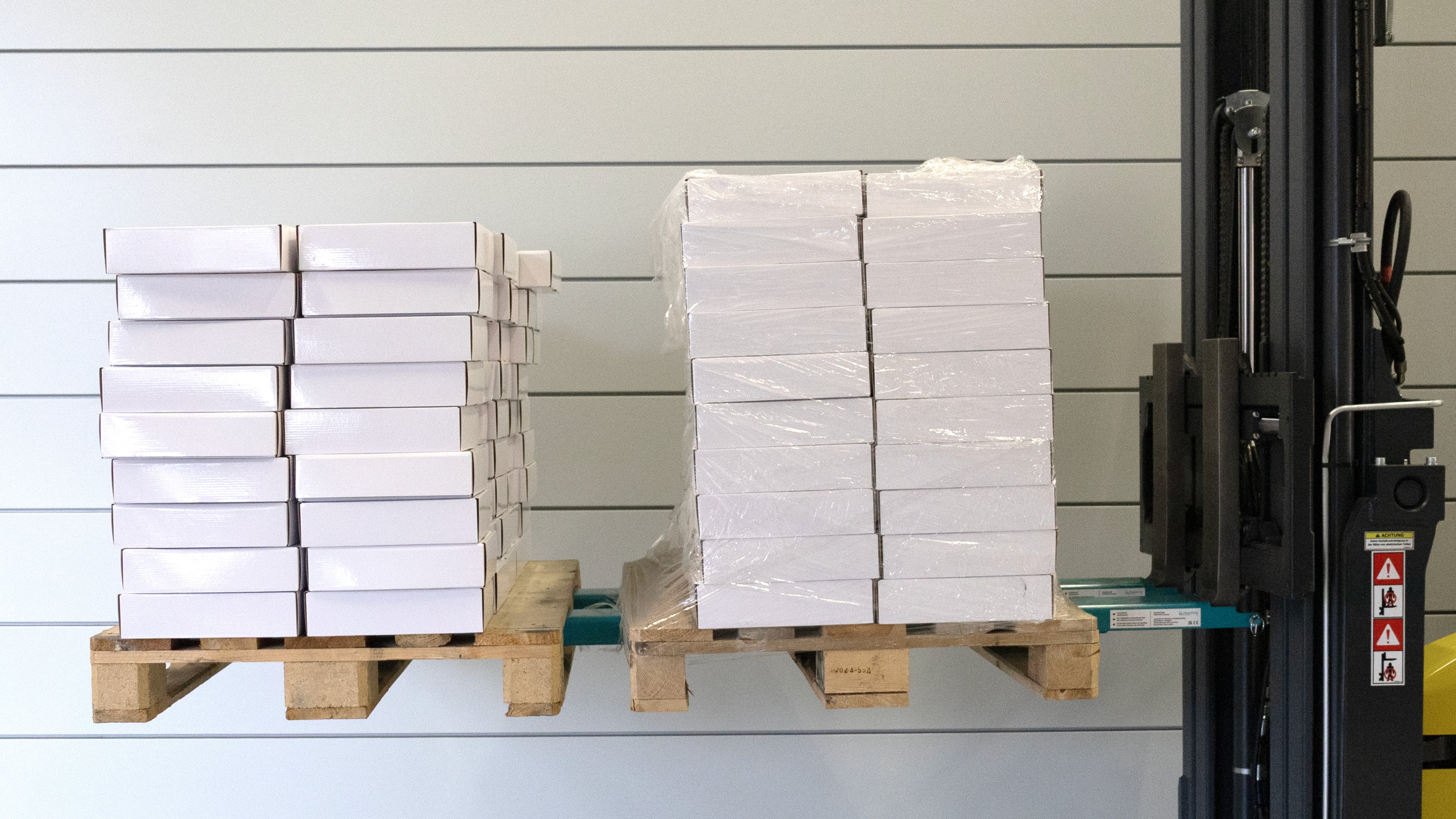
Fork extensions are among the most important attachments in the warehousing and logistics sector. They allow for the quick and easy extension of existing forks, offering a flexible solution for the occasional transport of long or bulky goods.
However, choosing the right fork extensions is crucial to ensure they can be used safely and efficiently. In this article, you’ll learn what to look for when selecting them and which technical criteria are particularly important.
General Uses of Fork Extensions
Fork extensions are used when existing forks need to be extended temporarily. Typical applications include:
- Transporting extra-long pallets
- Handling bulky goods
- Occasional logistics tasks involving larger loads
- Flexible extension of existing forklift forks
The major advantage of fork extensions lies in their ease of use and relatively low purchase cost.
What information is needed to select fork extensions?
To select the right fork extension, you will need:
- The dimensions of the existing forks
- The load capacity of the forklift
- Information about the load to be transported
- The desired extension length
Only when all these factors are taken into account can safe and code-compliant use be guaranteed.
1. Length and Dimensions of the Fork Extension
The correct length is one of the most important factors when selecting fork extensions.
Minimum support for the fork extension
A fork extension must be supported by the existing fork by at least 60%. This means: A 2,000 mm long fork extension requires a base fork tine that is at least 1,200 mm long.
Center of gravity of the fork extension
The center of gravity of the fork extension is calculated as follows:
Center of gravity = Length of the fork extension / 2
This value is particularly important for calculating the load center distance and the remaining load capacity of the forklift.
Suitable fork cross-section
The fork extension must be precisely matched to the existing fork cross-section (width x thickness of the fork). Only precisely fitting fork extensions ensure the smallest possible external dimensions and prevent unnecessary play or instability.
Consider the external dimensions
The external dimensions of the fork extension also play an important role. Especially when using non-standard load carriers or special pallets, it is essential to verify that the extension can be inserted into the pallet pockets without any problems.
2. Load capacity of fork extensions
When using fork extensions, both the load capacity of the forklift and that of the standard forks must be taken into account.
Important points:
- The forklift’s rated load capacity must not be exceeded.
- The load center distance changes due to the extension.
- The load capacity of the fork extension must be matched to the existing forks.
The use of fork extensions affects the forklift’s maximum load capacity. Therefore, the manufacturer’s load capacity charts should always be checked before use.
3. Stability and Safety
Safety is the top priority when using fork extensions.
Design in accordance with ISO 13284
High-quality fork extensions should be designed in accordance with ISO 13284 and bear a CE mark. This ensures that the extensions comply with the relevant safety and quality standards.
Closed underside for maximum stability
A fork extension with a closed bottom offers key advantages:
- Better ability to absorb point loads
- Greater stability under uneven loads
- Flexible use with different types of cargo
- Improved safety in daily operations
A robust, closed design is therefore recommended, especially for demanding applications.
4. Additional product features for easier use
In addition to the basic technical specifications, there are other features that significantly simplify the daily use of fork extensions.
Easy installation with bolt lock
A practical bolt lock allows for quick attachment of the fork extension, secure locking onto the fork, and effortless installation and removal.
This allows fork extensions to be used particularly safely and efficiently in everyday work.
Molded and beveled tip
A molded and beveled tip significantly facilitates the pickup of the load.
Advantages:
- Easier insertion into pallets
- Less damage to loads and pallets
- Faster workflows
Conclusion: The right fork extension ensures safety and efficiency
Only properly selected fork extensions enable efficient, cost-effective, and safe use in day-to-day warehouse and logistics operations.
By paying attention to the correct length, load capacity, stability, and suitable additional features when making your selection, you not only increase safety but also improve the efficiency of internal transport operations.
You can find an overview of CleverForks fork extensions in our shop.

Leave a comment
This site is protected by hCaptcha and the hCaptcha Privacy Policy and Terms of Service apply.