
Falling Loads: Who Is Responsible?
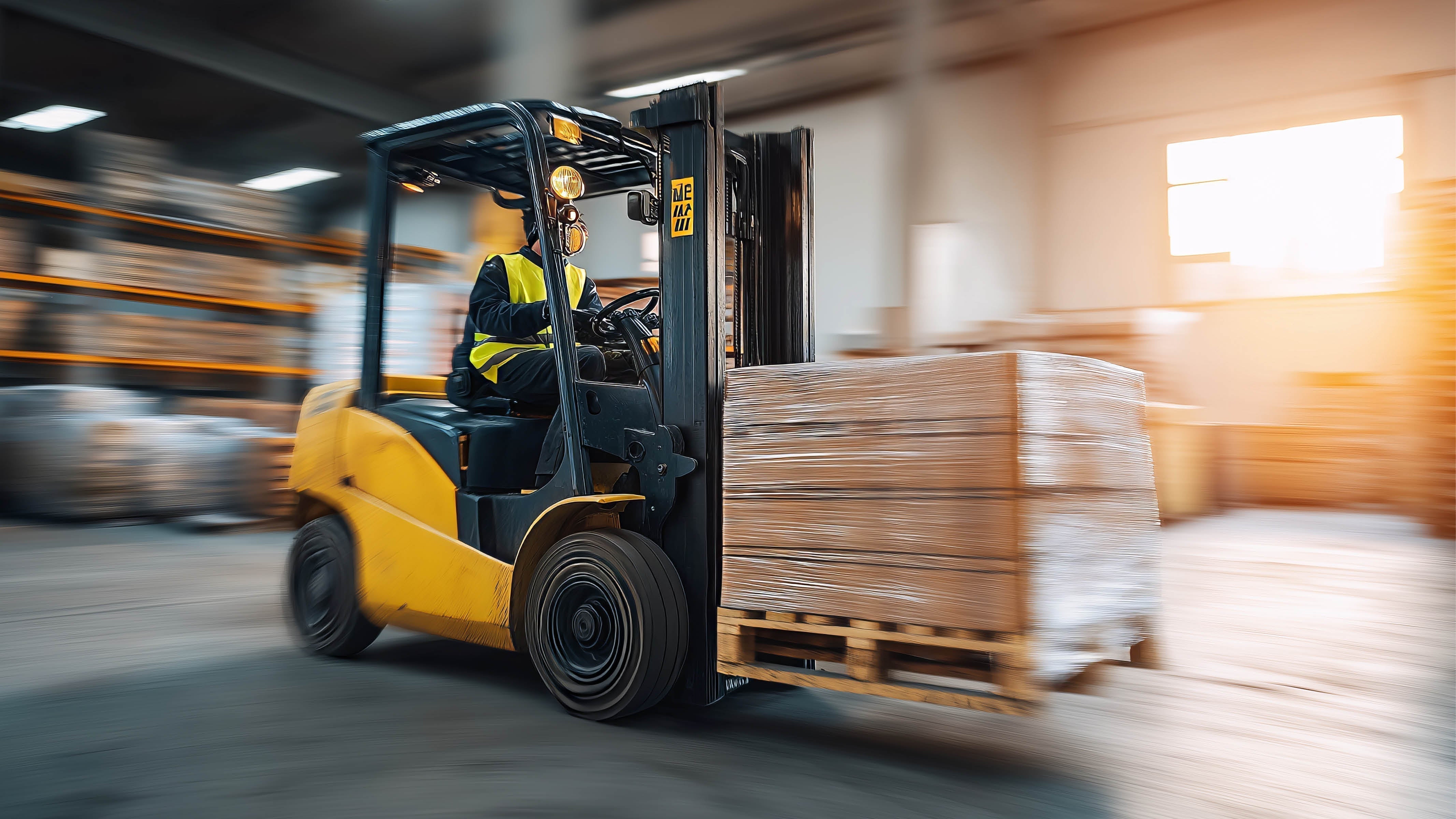
Falling loads are among the most common and, at the same time, most dangerous causes of accidents involving forklifts. Even minor errors when picking up a load or during transport can cause goods to slip, tip over, or fall off the forks. This poses a significant risk to drivers, pedestrians, and equipment, especially in confined warehouse and production areas. In addition to serious personal injury, falling loads often result in high costs due to damaged goods, shelves, or machinery. This makes safe work procedures, regular inspections, and the proper equipment of forklifts all the more important.
Who Is Responsible?
If an accident occurs due to falling loads, the question of responsibility quickly arises. Often, the cause lies not with a single person, but in a combination of human error, organizational shortcomings, or technical defects. In principle, both employers and forklift operators are responsible for ensuring safe load transport.
- Employers: Responsible for providing suitable working conditions, safe work equipment, and regular training and instruction.
- Forklift operators: Responsible for complying with safety regulations, correctly loading the load, and ensuring its safe transport and securing.
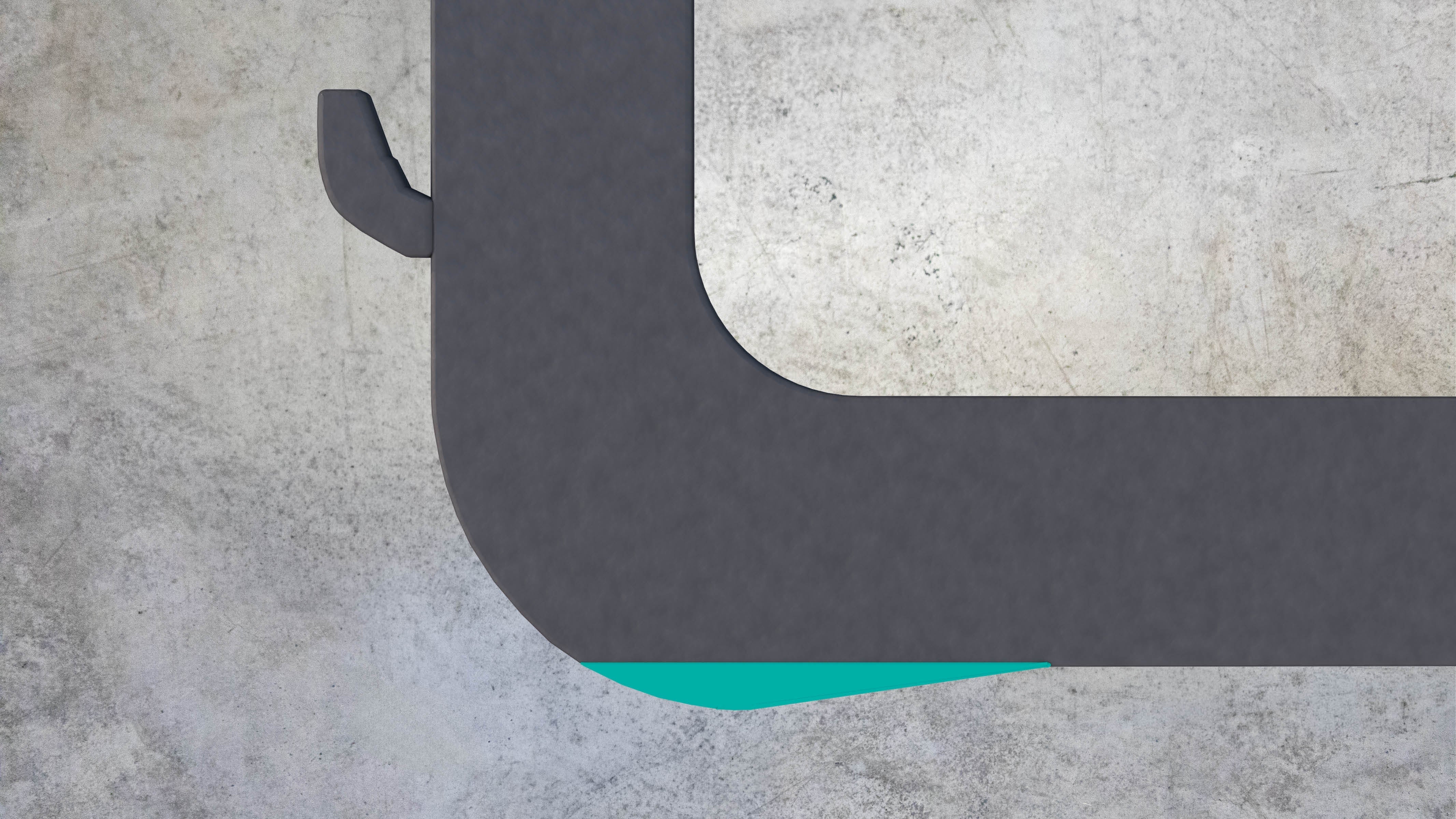
Prevent falling loads—with the GEKKO anti-slip layer for forklifts and forks

- Improved grip between the load and the forks
- Reduced slippage of pallets
- Greater stability during transport
- Safer braking and acceleration
- Lower risk of falling loads
- Fewer tipping and slipping movements
- Greater workplace safety
- Reduction in damage and accident costs

Leave a comment
This site is protected by hCaptcha and the hCaptcha Privacy Policy and Terms of Service apply.